











fbpx
Online Banking
Login to Home Banking
Username:
Password:
 
Routing #: 281277364
Chat With Us Today!


Username:
Password:


Routing #: 281277364

Common Financial Scams & How to Protect Yourself

Financial scams are becoming more common — and more convincing. At UCCU, we are committed to helping our members protect their money and personal information. Learn about the most common financial scams, how to recognize warning signs, and what to do if you think you’ve been targeted.

What Is a Financial Scam?

A financial scam is a fraudulent attempt to steal money or sensitive personal information, such as bank account numbers, passwords, Social Security numbers, or debit and credit card details.

Scams can occur through:

  • Phone calls
  • Text messages (SMS scams)
  • Emails (phishing scams)
  • Social media messages
  • Fake or spoofed websites

Scammers often pretend to be trusted organizations, including banks and credit unions, to appear legitimate.

Most Common Financial Scams to Watch For

Phishing Scams (Email & Text Scams)

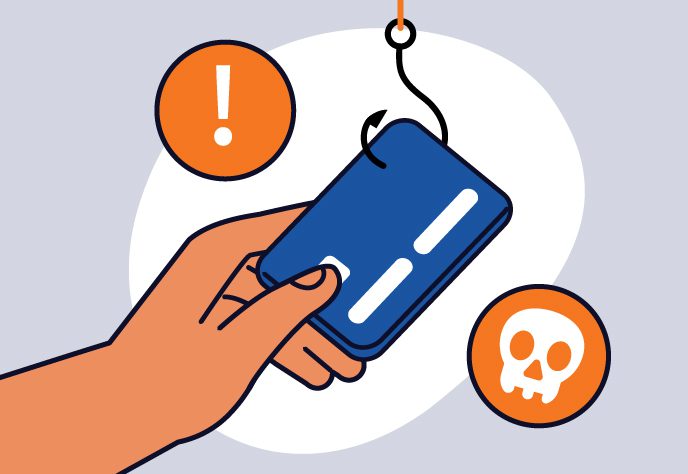
Phishing scams use fake emails or text messages designed to look like they come from a financial institution or trusted company. These messages often ask you to click a link or provide personal or banking information.

Common phishing red flags include:
  • Generic greetings like “Dear Customer”
  • Misspellings or unusual sender addresses
  • Messages claiming your account is “locked” or “compromised”

UCCU will never ask for your online banking password, PIN, or one-time verification codes through email or text.
A blue envelope with an orange paper inside displaying a black warning triangle and exclamation mark, symbolizing a caution or alert message.
Phone call icon with mystery person. Blue phone shows user profile and call options. Orange speech bubble with cloaked figure suggests secrecy or alert.

Phone Scams & Caller ID Spoofing

Scammers can manipulate caller ID information to make it appear as though they are calling from a legitimate organization. These phone scams often pressure you to confirm account details or share sensitive information.

Important reminder: UCCU will never call to ask for your PIN, online banking password, full Social Security number, CVV code, or authentication codes.
Blue award ribbon with a star, overlaid by an orange triangle warning icon with exclamation mark, on black background, indicating caution or alert.

Fake Prize, Lottery, & Sweepstakes Scams

If you’re contacted about winning a prize or lottery you never entered — and are asked to pay fees or provide financial information — it is almost certainly a scam. Legitimate prizes do not require upfront payments.

Icon of a blue rolled certificate with a dollar sign, lines, and squiggle, symbolizing a signature. An orange pencil symbolizes documentation or signing.

Fake Check & Overpayment Scams

In this common fraud scheme, a scammer sends a check and asks you to return part of the money. The check later turns out to be fraudulent, and you are responsible for the full amount deposited.

Blue hand holding a circular orange symbol with a dollar sign and two arrows pointing left and right, on a black background, symbolizing financial exchange.

Money Transfer, Gift Card, & Mobile Payment Scams

Scammers frequently request payment through wire transfers, gift cards, or mobile payment apps, claiming it’s needed for fees, deposits, or account verification. These payment methods are difficult to trace and rarely recoverable.

How to Spot a Financial Scam

Two blue chat bubbles, one with a question mark and the other with an exclamation mark, are overlapped by an orange warning triangle with an exclamation mark, symbolizing communication and alerts.

Urgent or Threatening Language

Scammers try to rush you by claiming immediate action is required to avoid account closure, legal action, or financial loss.

Icon of a computer and smartphone in blue, overlaid with an orange shield and padlock, symbolizing cybersecurity and data protection.

Requests for Personal or Banking Information

No legitimate financial institution will request sensitive information through unsolicited calls, emails, or text messages.

A blue laptop illustration showing orange pop-up windows with a bug icon, warning symbol, and error message, conveying a sense of computer malfunctions.

Suspicious Links or Unfamiliar Websites

Fraudulent links often contain misspellings or look similar to legitimate websites. Always access your account by typing the official website directly into your browser.

Two overlapping speech bubbles on a black background; a blue bubble shows three question marks, and an orange bubble is blank, symbolizing conversation or inquiry.

Unexpected Account Alerts or Contact

If you receive an unexpected message about your account, contact UCCU directly using verified contact information.

Take the Quiz

What To Do If You Think You’ve Been Scammed

Protecting Our Members Is Our Priority

Your financial security matters. If you ever have questions about a suspicious message, call, or transaction, contact UCCU immediately.

We’re here to help you stay informed, protected, and confident in your financial decisions.

You are now leaving United Community Credit Union

United Community Credit Union provides links to web sites of other organizations in order to provide visitors with certain information. A link does not constitute an endorsement of content, viewpoint, policies, products or services of that web site. Once you link to another web site not maintained by United Community Credit Union, you are subject to the terms and conditions of that web site, including but not limited to its privacy policy.

You will be redirected to

Click the link above to continue or CANCEL

ACME